
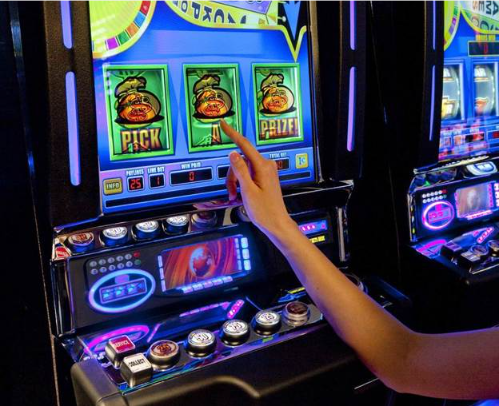

Imagine the thrill of pulling a lever, hearing the gears grind, and watching the reels align for a jackpot. Now picture that same excitement recreated with a simple tap on your phone. From clunky machines in smoky saloons to flashy digital experiences, the story of slots is one of relentless innovation.
This isn’t just a tale of games—it’s a chronicle of cultural change, technological evolution, and human psychology. Dive into the fascinating history of slot machines and see how they’ve spun their way into our hearts, devices, and digital wallets.
The evolution of slot machines is a story that mirrors society’s embrace of technology, entertainment, and chance. From their humble mechanical beginnings in the late 19th century to today’s dazzling digital versions, slot machines have continually adapted to the times, often leading the way in gaming innovation. They’ve transitioned from analogue to online, evolving not only in how they’re played but in how they captivate players.
While the core principle of Slots—spinning reels for a chance at prizes—has remained, everything else has changed. This article explores that incredible journey, covering milestones that shaped this iconic game, innovations that redefined it, and what lies ahead in the world of online casinos and interactive entertainment.
Birth of a Legend: The Mechanical Slot Machine
Discover how slots began as simple contraptions and rapidly gained popularity in bars and casinos across America.
The Original Slot Invention
● Invented by Charles Fey in 1895, the Liberty Bell machine was the first true slot.
● It featured three spinning reels and five symbols, including the Liberty Bell and playing card suits.
● Payouts were mechanical, usually in coins, and delivered automatically.
Early Popularity and Distribution
● Found in cigar shops, bars, and bowling alleys in the early 1900s.
● Machines became illegal in many states, prompting variations like fruit symbols to skirt gambling laws.
● The fruit machines dispensed gum instead of cash to stay legal.
From Mechanical to Electromechanical: The Mid-Century Revolution
A leap forward with electricity brought new features, bigger payouts, and more player interaction.
The First Electromechanical Slots
● Bally introduced “Money Honey” in 1963, the first fully electromechanical slot machine.
● Enabled multi-coin bets, bigger jackpots, and the first automatic payouts of up to 500 coins.
Impact on Casinos and Gaming Culture
● Increased player excitement and time-on-machine metrics.
● Created a new wave of interest in slot machine technology.
● Attracted a broader range of players with enhanced features and lights.
The Rise of Video Slots in the Digital Era
Learn how microprocessors and screens replaced gears and reels, ushering in a new age of interactive entertainment.
Transition to Screens
● In 1976, Fortune Coin Co. introduced the first video slot using a modified Sony TV.
● Nevada regulators approved it in 1978, marking the start of screen-based slot games.
Advantages of Video Slots
● Allowed multiple paylines and interactive bonus rounds.
● Developers could experiment with themes, animations, and sounds.
● Enabled massive progressive jackpots pooled across machines.
Online Slots and the Internet Boom
Explore how the internet turned local machines into global games with instant access and high engagement.
Digital Casinos Take Over
● In the mid-1990s, online casinos introduced virtual slots that could be played on desktops.
● Microgaming launched the first online slot software, setting a new standard.
Global Accessibility and Innovation
● Players could now access thousands of games from home or mobile.
● Developers added 3D graphics, storytelling elements, and branded content.
● Created opportunities for online slots tournaments and community play.
Mobile Gaming and Real-Time Experiences
Smartphones revolutionised the slot experience, making gaming portable, personalised, and immersive.
Slot Apps and HTML5 Technology
● HTML5 enables seamless play across devices without downloads.
● Slot apps became among the most downloaded in app stores.
Personalised Gaming Journeys
● Adaptive algorithms suggest games based on player behaviour.
● Real-time bonus rounds and push notifications enhance engagement.
● Social features like leaderboards and friend challenges increase retention.
The Future of Slots: What’s Next?
Peer into the future of slots, where AI, VR, and blockchain promise even more immersive, secure, and dynamic gameplay.
Virtual Reality and Immersive Design
● Developers are creating VR slot environments where players walk through digital casinos.
● Haptic feedback and voice controls add to the realism.
AI and Predictive Engagement
● AI tailors promotions, rewards, and game pacing to individual player habits.
● Helps casinos encourage responsible gaming while enhancing loyalty.
Blockchain and Fair Play*
● Blockchain ensures transparent RNG (Random Number Generator) systems.
● Players can verify outcomes and trust game integrity on decentralised platforms.
Conclusion: A Timeless Spin in a Digital World
Slots have evolved significantly from clunky reels and coin hoppers to sleek, immersive, and algorithm-driven experiences. Their adaptability is key to their enduring popularity, as they merge nostalgia with innovation, simplicity with sophistication. As technology continues to evolve, so will the world of slots, promising new thrills with every spin.
Whether you’re pulling a lever in a vintage bar or tapping your screen from a beach chair, the essence of slots remains: a quick escape, a chance to dream, and a celebration of luck in its purest form.