
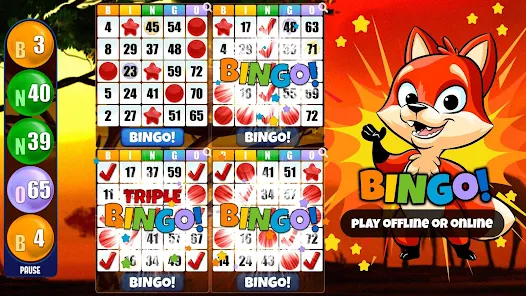

Bingo — the very word conjures up images of community halls filled with eager participants, the distinctive sound of numbered balls rattling in their cage, and the thrill of shouting “Bingo!” when victory strikes. But behind this seemingly simple game lies a rich tapestry of history, cultural significance, and a universal appeal that spans generations. Join me as we delve deep into the world of Bingo, exploring its origins, its evolution, and what makes it a beloved pastime for millions around the globe.
Origins and Evolution
The origins of Bingo can be traced back centuries, evolving from various lottery-type games that were popular in different cultures throughout history. The modern version of Bingo that we know today began to take shape in the 1920s, when it was known as “Beano.” Legend has it that the name Bingo was born when a player accidentally yelled “Bingo!” instead of “Beano!” in excitement. This happy accident stuck, and the name Bingo became synonymous with the game.
From its humble beginnings in carnivals and county fairs, Bingo quickly gained popularity as a social activity. It provided a means of entertainment and camaraderie, bringing people together in community centers, churches, and social clubs. Its simplicity — players mark numbers on cards as they are called out — made it accessible to people of all ages and backgrounds. This accessibility contributed to its widespread adoption and enduring popularity.
The Bingo Experience
Participating in a Bingo game is an experience like no other. Imagine entering a hall buzzing with anticipation, the air thick with the scent of excitement and the murmur of conversations. Rows of tables are adorned with Bingo cards, daubers at the ready, and the stage is set with the Bingo caller poised to begin. The atmosphere is electric as the first numbers are called, each one bringing players closer to the elusive combination that spells victory.
The game itself is straightforward yet thrilling. Players mark numbers on their cards in hopes of completing a predetermined pattern — a line, four corners, or even a full card — before anyone else. The tension mounts with each number called, the pace quickening as players near the goal. And when someone finally achieves Bingo, the hall erupts with cheers and applause, celebrating the triumph of luck and strategy.
Variety and Adaptation
Over the years, Bingo has not remained stagnant but has adapted to changing times and preferences. Today, you can find a variety of Bingo formats and themes catering to different audiences. Traditional Bingo with numbered balls and cards remains popular, but there are also electronic versions, online Bingo games, and themed Bingo events that cater to specific interests or demographics.
Electronic Bingo, for instance, introduces automation and digital interfaces to enhance gameplay. Players can enjoy the convenience of electronic devices that mark numbers automatically, allowing them to focus on the social aspect of the game rather than manual marking. Online Bingo has further expanded the reach of the game, allowing players to participate from the comfort of their homes and connect with others across the globe.
Themed Bingo events capitalize on popular culture, holidays, or special interests to create unique experiences. From bingo nights at local pubs with quirky prizes to high-stakes Bingo tournaments in glamorous settings, there is a Bingo variation for every occasion and taste. This adaptability has ensured that Bingo remains relevant and appealing in an increasingly diverse entertainment landscape.
Community and Social Impact
Beyond its entertainment value, Bingo plays a significant role in fostering community and social connections. For many, Bingo nights are not just about winning prizes but about belonging to a community, whether it’s a local neighborhood group, a senior center, or an online forum. The shared experience of playing together, exchanging banter, and celebrating wins creates bonds that transcend the game itself.
In community settings, Bingo often serves as a fundraising tool for charitable organizations and nonprofits. Bingo events attract participants who contribute to a cause while enjoying a night of entertainment. The funds raised through Bingo games support various community initiatives, from youth programs to senior services, demonstrating the game’s positive impact on society.
Moreover, Bingo has therapeutic benefits, particularly for older adults. Studies have shown that playing Bingo can improve cognitive function, memory retention, and social interaction among seniors. The game’s structure encourages mental agility and engagement, providing a stimulating activity that promotes overall well-being.
Global Appeal and Cultural Significance
Bingo’s appeal is not confined to any one region or demographic. It transcends borders and cultures, adapting to local preferences while retaining its core essence. In the United Kingdom, Bingo has a storied history as a beloved pastime, with dedicated Bingo halls dotting the urban landscape. In the United States, Bingo is deeply embedded in the fabric of community life, from small towns to bustling cities.
In other parts of the world, Bingo takes on unique cultural flavors. In Japan, for example, Bingo is known as “Bango” and is a popular game played in schools and community centers. Latin American countries have their own versions of Bingo, often with distinct rules and variations that reflect local traditions and preferences. This global diversity underscores Bingo’s universal appeal as a unifying and enjoyable activity.
The Future of Bingo
As we look ahead, the future of Bingo appears bright and promising. Advances in technology continue to reshape the gaming landscape, offering new opportunities for innovation and growth. Virtual reality, augmented reality, and mobile gaming platforms are poised to transform the way people experience Bingo, making it more immersive and accessible than ever before.
Moreover, Bingo’s inherent social nature ensures its enduring relevance in an increasingly digital world. Whether played in person or online, Bingo will continue to bring people together, fostering connections and creating memorable experiences. Its ability to evolve with the times while retaining its fundamental appeal ensures that Bingo will remain a cherished pastime for generations to come.
Conclusion
In conclusion, Bingo is much more than just a game of chance; it is a cultural phenomenon that spans generations and continents. From its humble origins to its widespread popularity today, Bingo has captivated the hearts and minds of millions around the world. Its ability to foster community, promote social interaction, and adapt to changing times underscores its enduring appeal.
Whether you’re a seasoned Bingo enthusiast or someone curious to try it for the first time, Bingo offers an experience that is both entertaining and enriching. So, the next time you hear the call of “Bingo!” remember the rich tapestry of history and culture that lies behind this beloved game. Join in the fun, and who knows — you might just shout “Bingo!” yourself.